
When hurricane season rolls around, the sudden shift in weather reports can bring a wave of anxiety. As storm trackers begin predicting paths and categories, the last thing you want to be worrying about is whether your house can handle the impact.
The secret to peace of mind? Preparation. Transforming your house into a storm-resistant bunker doesn’t happen overnight, but investing in the right structural upgrades can save your property—and your life.
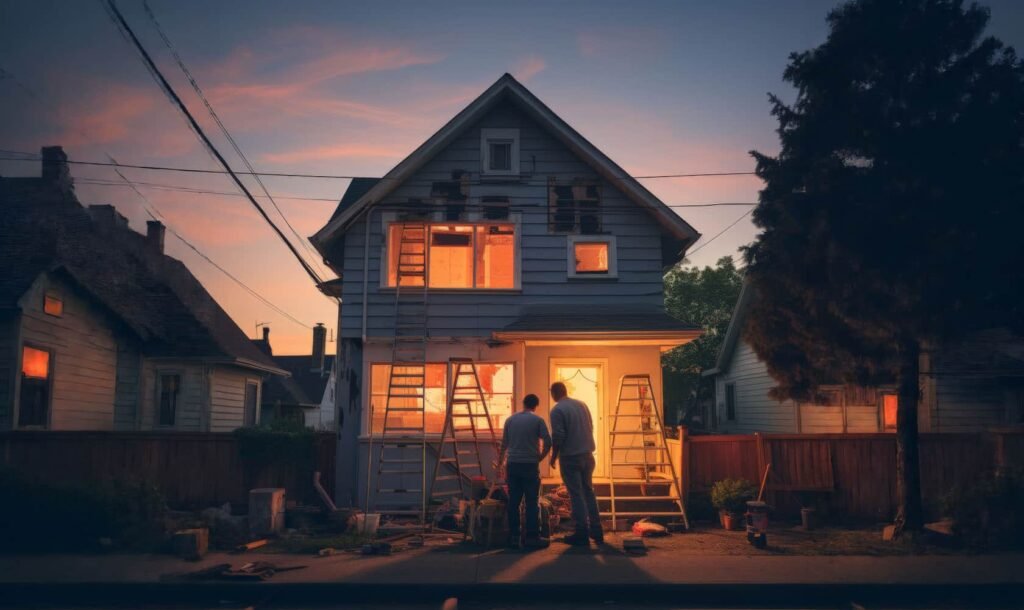
If you want to ensure your home withstands the brute force of a major storm, here is a breakdown of the best ways to fortify your property before the next hurricane season arrives.
1. Build a Backbone of Strong Walls and Framing
The skeleton of your home dictates how well it handles extreme stress. Upgrading your home’s framing and walls is one of the most effective ways to defend against relentless winds.
- Insulated Concrete Forms (ICFs): If you are building new or doing a major renovation, consider ICF blocks. These are essentially foam forms filled with steel-reinforced concrete. The result? Solid, bunker-like walls that easily resist high-velocity winds and dangerous flying debris.
- Hurricane Straps and Clips: Think of these as a heavy-duty seatbelt for your house. Using metal clips and hurricane straps to securely connect your roof to your walls—and your walls to your foundation—prevents extreme updrafts from literally lifting the roof off your home.
- Aerodynamic Hip Roofs: Roof shape matters during hurricane season. Instead of a traditional gable roof, opt for a hip roof, which slopes downward on all four sides. This aerodynamic design deflects wind over the house rather than acting like a sail catching the breeze.
2. Secure All Windows, Doors, and Openings
A house is only as strong as its weakest link. In a hurricane, those weak links are usually your windows and doors. If wind breaches your home, the sudden change in internal air pressure can cause catastrophic structural failure.
- Impact-Resistant Glass: Standard glass shatters instantly upon impact. Impact-rated windows and doors are built with a heavy-duty inner layer. Even if a piece of flying debris (like a heavy 2×4) strikes the glass, it may crack, but it won’t shatter and let the storm inside.
- Hurricane Shutters: If upgrading to impact glass isn’t in the budget, heavy-duty metal or plastic hurricane shutters are an absolute must. They provide an essential physical barrier over standard windows.
- Wind-Rated Garage Doors: People often overlook the garage, but a breached garage door is a primary reason roofs blow off during severe storms. Reinforcing or replacing your garage door with a certified wind-rated model is a non-negotiable step for hurricane readiness.
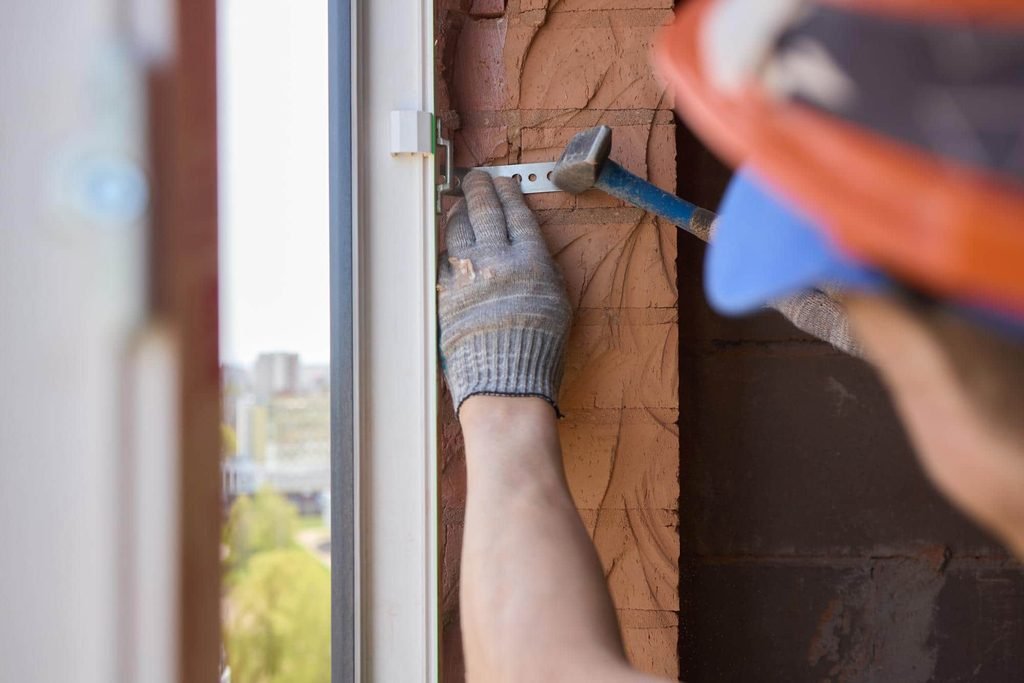
3. Double Down on Roof Protection
Your roof takes the brunt of the weather. Once shingles start flying off, your home is highly vulnerable to catastrophic water damage, even if the structure stays standing.
- Sealed Roof Decks: When it’s time for a roof replacement, ask your contractor to use special flashing tape or adhesive underlayment across all roof seams. This creates a secondary water barrier. If the high winds strip away your shingles, this sealed deck will stop the torrential rain from pouring into your living room.
- Metal Roofing: For ultimate durability, metal roofs are hard to beat. When installed correctly, a high-quality metal roof is rated to withstand wind speeds upwards of 150 to 200 mph, easily weathering a Category 5 storm.
4. Master Flood and Water Management
Wind gets the headlines during hurricane season, but water usually causes the most long-term damage. Storm surges and flash floods require an entirely different defense strategy.
- Elevation: The best way to keep water out of your house is to build above it. Constructing the living space on elevated pilings, columns, or a raised foundation allows a storm surge to flow harmlessly underneath the home rather than through your front door.
- Flood Vents: If you have enclosed spaces at ground level, install flood vents. These clever devices allow water to flow freely through the enclosure, equalizing the hydrostatic pressure. Without them, the weight of the standing water could literally crush your foundation walls.
- Grading and Sump Pumps: Never underestimate basic landscaping. Ensure the ground slopes away from your foundation to direct rainwater outward. Inside, install a heavy-duty sump pump equipped with a battery backup—because when the floodwaters rise, the neighborhood power grid is usually the first thing to go.
Preparing for hurricane season is not about waiting for a storm to form; it is about proactive protection. By upgrading your home’s defenses from the foundation to the roof ridge, you can weather the storm safely and confidently.